































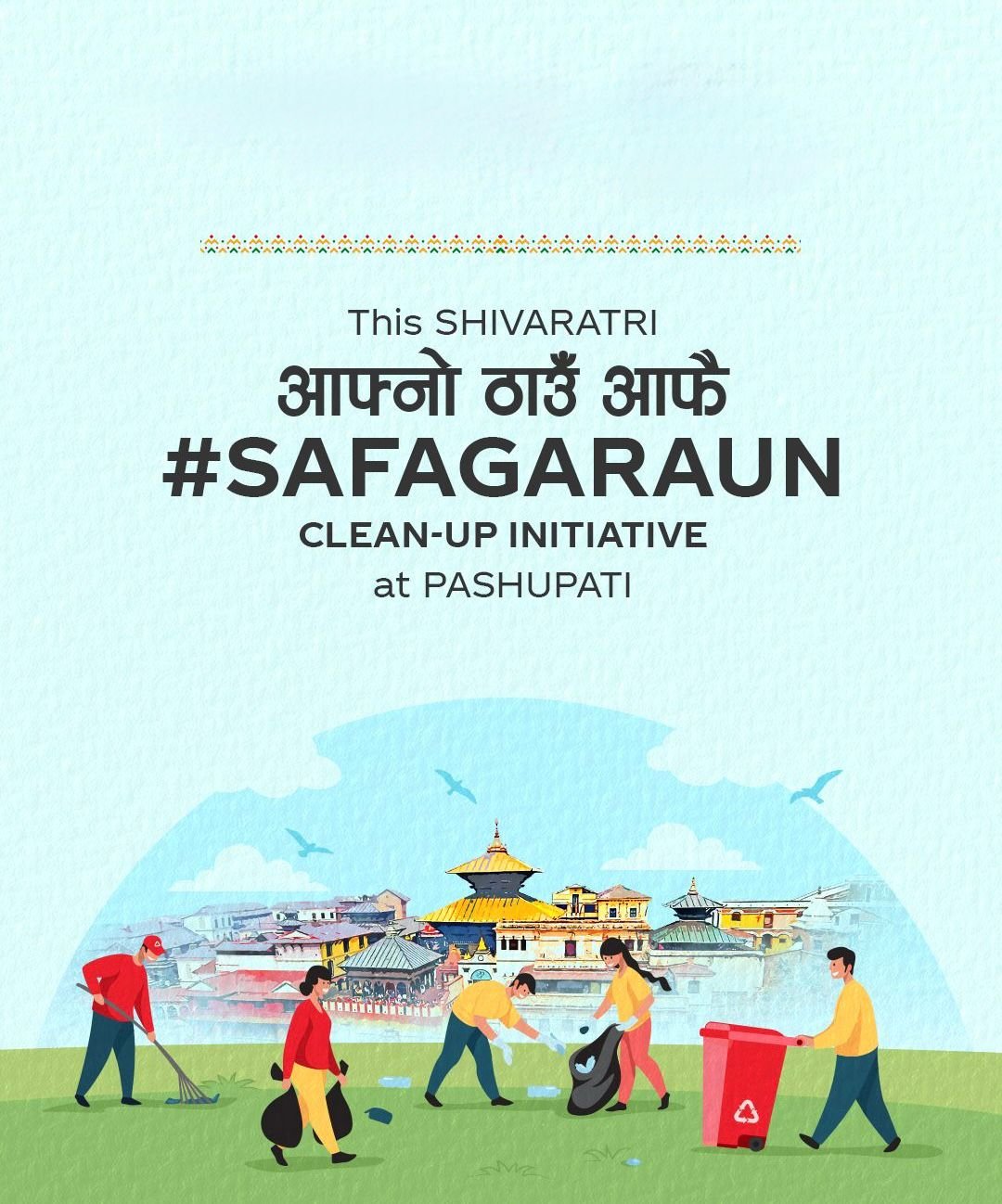
Kathmandu – Coca-Cola, in partnership with CREASION, has launched the ‘#SafaGaraun’ initiative, a comprehensive year-long sustainability collaboration at Pashupatinath Temple. The initiative was inaugurated at the Pashupati premises on February 11, 2026, ahead of Mahashivaratri 2026, which falls on February 15 and is expected to draw over one million devotees. The initiative has received strong support from the Pashupati Area Development Trust (PADT).
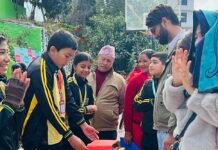
The #SafaGaraun campaign runs for 10 days around the festival, five days before and five days after – focusing on waste management, public safety, access to safe drinking water, and circular economy practices during one of Nepal’s largest religious gatherings. As part of this effort, more than 500 volunteers, including students, youth, waste workers, and social workers, are being mobilised to support on-ground implementation and promote responsible environmental practices throughout the temple premises.
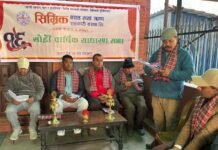
Addressing the gathering at the inauguration ceremony, Mr. Ajay Konale, Managing Director of Bottlers Nepal Limited, said, “At Bottlers Nepal Limited, we believe true impact happens when people are at the center. By working closely with safai sathis, recyclers, local partners, and municipal bodies, this project uplifts the very people who support the backbone of Nepal’s recycling landscape. Empowering them also strengthens the entire PET value chain, from collection and segregation to reuse.”
He further added, “A stronger recycling ecosystem creates local economic opportunities, supports livelihoods, and encourages responsible consumption, all of which contribute to a positive business environment. Projects like Climate-Smart Cities help us build a future where business performance and environmental responsibility reinforce each other.”
Bringing a regional perspective to the initiative, Saloni Goel, Senior Director – Sustainability and ESG Value Creation, Coca-Cola India & Southwest Asia, said, “Large scale gatherings provide us an opportunity to showcase how waste can be managed effectively enabling a clean experience for visitors. In collaboration with our implementation partners, and local authorities, we are humbled to support responsible waste collection, segregation, and disposal at one of Nepal’s significant cultural gatherings. With #SafaGaraun, our focus is on promoting shared responsibility and creating scalable solutions that help keep the environment around us clean.”
Highlighting the partnership’s impact on heritage site management, Subhash Chandra Joshi, Executive Director of the Pashupati Area Development Trust stated that collaboration with Creasion has significantly supported cleanliness efforts in the Pashupati area. He noted that managing waste at a major religious site visited by millions of devotees and tourists is challenging, but continuous cleanliness is being maintained through cooperation among all stakeholders.
Speaking about the initiative’s long-term vision, Sujata Koirala, Program Director of Creasion, expressed confidence that the campaign, aimed at keeping the UNESCO-listed Pashupatinath area clean, hygienic, and dignified, would contribute to fostering a culture of sustainable cleanliness.
The initiative introduces several innovative interventions aimed at transforming sustainability practices during large-scale events. A Safety & Emergency Response Booth, constructed entirely from recycled Multi-Layer Plastics (MLPs), demonstrates practical waste upcycling solutions while serving devotees during the festival. Strategically located hydration stations ensure continuous access to safe drinking water for devotees, volunteers, and security personnel throughout the temple complex.
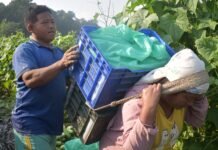
The initiative also engages informal waste workers for on-ground waste collection and segregation. Participants receive safety gear in recognition of their essential role in advancing the circular economy. Pre- and post-event clean-up drives are being conducted, accompanied by systematic documentation of waste diversion to measure environmental impact.
As part of the broader year-long programme, 40 recycled benches, tri-bins, bottle-shaped PET collection bins, and two trash booms in the Bagmati River have been installed to create lasting infrastructure improvements. Volunteers are being mobilised for crowd management, awareness campaigns, and environmental behaviour-change messaging to promote sustainable practices among devotees.
Mahashivaratri, one of Nepal’s largest annual religious events, provides an important platform to demonstrate how large public gatherings can be managed sustainably. In collaboration with PADT, the initiative supports the preservation of this heritage site while advancing Coca-Cola’s sustainability commitments in Nepal. The year-long programme extends beyond the festival, establishing permanent waste management infrastructure and sustainable practices that will benefit the Pashupatinath temple and surrounding community throughout 2026.