






































 One of the most common threads one may hear is a diversity of descriptive terms pertaining to Hindus being weak. I must admit, I have heard this narrative an unimaginable number of times. it appears to be sown into the fabric of Hindu consciousness. “Hindus are not united” is another common story. But has this been true relative to modern history?
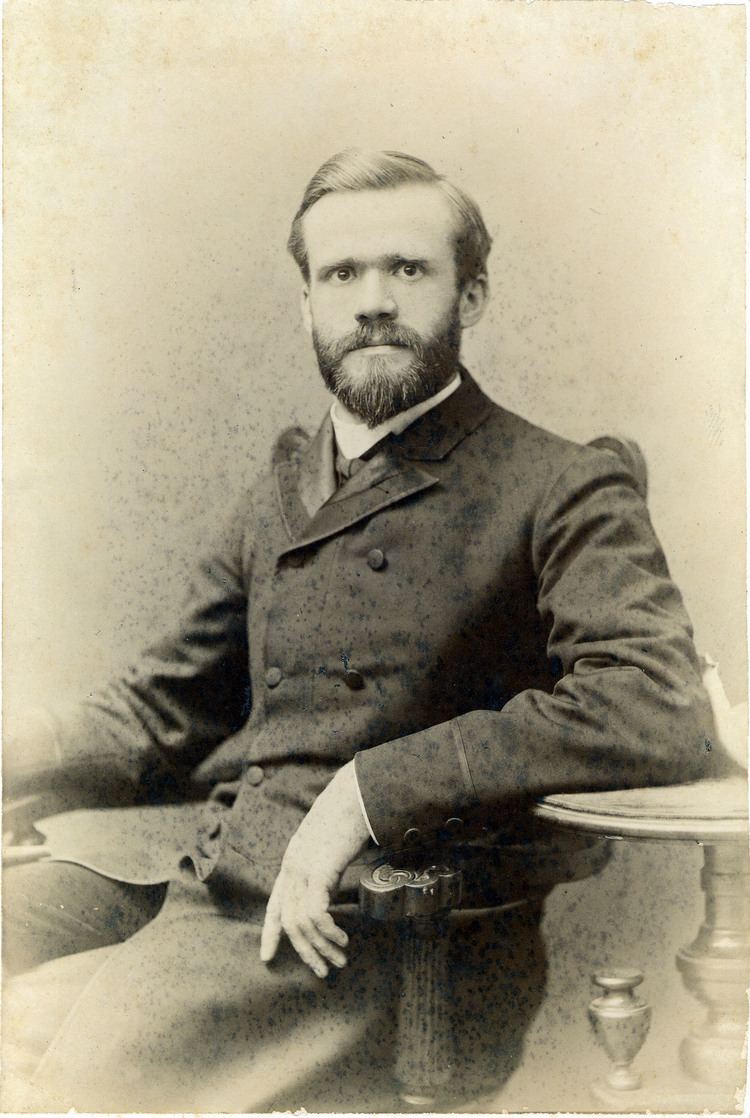
As a hobby, I enjoy reading missionary commentaries about their experiences in India from the 1800s. Several years ago, I noticed brief comments, from missionaries, on the difficulties in conversion and comments about Hindu’s strong stance against conversion efforts. I must admit I was taken back as these did not align with the narrative I had been exposed to. Could the truth be that Hindus were not as weak as portrayed in modern narratives? Recently, I discovered the most compelling information against the common narrative of the weakness of Hindus in the “Baptist Missionary Magazine, Vol 69” dated 1889, in a report from Rev. W. Rauschenbusch.
Here I read Hinduism described as “…secure in its strength.” (Rauschenbusch 186) There were references to Hinduism being a sleeping giant, (Rauschenbusch 186) so to speak; there are additional references to Hindus awakening to the threat of conversion. In fact, the article openly admits that “Hindus are fighting fire with fire.” (Rauschenbusch 186) There is mention of Hinduism “…scattering tracts among government officers and students in mission schools.” (Rauschenbusch 186) There is commentary regarding Hindus being skilled in arguments regarding the Bible and even referencing Biblical contradictions. (Rauschenbusch 186)
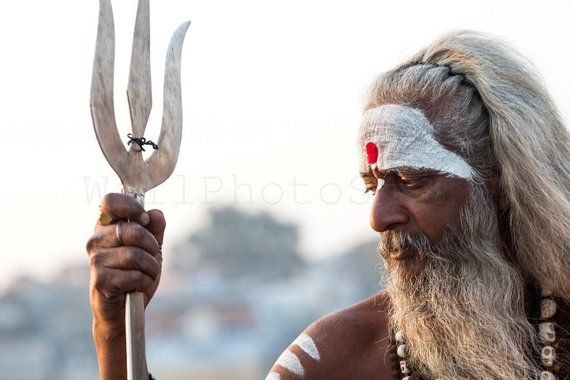
In my research and casual reading, there have been numerous comments from missionaries regarding the Vedas, difficulties overcoming the Vedic teachings, and Hindus extolling the importance of the Vedas. I have seen, on several occasions, that the Vedas was considered the primary obstacle to conversion. In fact, there are references to “heathen preachers” (Rauschenbusch 186) ousting Christian street preachers. It is unclear who the author was directly referencing with the term “heathen preachers,” but I suggest these could have been Brahmins, Swamis, Yogis, possibly even Nagas on occasion but this is speculative on my part. Heathen, of course, would be commonly used for the native population.
These comments are in sharp contrast to the common narrative and reveal that the missionaries did not view Hindus as weak in the 1800s. Most interesting in my study and research is that similar tactics are being used in 2018 by Hindu antagonists. They attempt to lump anyone standing up for Hinduism as Hindutva and then attempt to align Hindutva as a force for malevolent intentions. They use terms such as “Sanghi” in a derogatory manner which is a veiled attempt to vilify those that follow the traditional teachings. The reality is that antagonists are using a similar playbook from the 1800s.
Interestingly, Hindus are confronting these antagonists not only on street corners but on the “street corners” of social media and the internet. It is interesting that charges and complaints about a strong Hindu movement by antagonists are not only led by the Christian church; it is led by some Indology academics and historians.
So, little has changed since the 1800s with the exception that Hindus fail to recognize that the Hindu of the 1800s was a strong, knowledgeable and tenacious force that stood strong against antagonists. This Hindu is needed in the current age as well and is commonly identified through the term—intellectual kshatriya. The modern intellectual kshatriya faces similar issues as their counterparts did in the 1800s, though there are some notable changes that have occurred, Christian penetration into areas such as land ownership, education and medicine have strengthened considerably.
The alleged secularization of academia has produced a strong anti-Hindu bias that somewhat negates one’s position as being secular, as it is somewhat difficult to favor minority religions while exhibiting bias against a majority religion. This is palpable at times, and one must wonder if McCauleyism has been reborn in the current “secular” movement. Which, if true, demonstrates the same biased agenda as it did in the 1800s.
Having read numerous commentaries by missionaries, it is notable that Hindus were not perceived as weak in the 1800s. In reality, the opposite was true, they were strong, confident, knowledgeable and rooted firmly in their tradition. Moving forward into the current age, when I look at modern Hinduism on social media, I see the same strong individuals standing up for dharma and their traditions as their ancestors.
This was true in the 1800s, and the same is true in the new millennium. The difference being that Hindus must counter the modern regurgitation of the 1800s narrative with substantial development of institutions, hospitals, educational centers that not only preserve tradition but counter agenda driven distortions of history and manipulation of the economic/political environment.
Additionally, outreach is needed for villages and communities under assault from forces solely focused on the destruction of the Hindu tradition. Based on these commentaries by missionaries, there is a need for a corrected narrative that needs to be shared with the broader Hindu community; this corrected narrative of a strong group of Hindus is the one that Hindus must remember.
Yogi Baba Prem

Vedic Path http://www.vedicpath.com/default.html
Comments
Powered by Facebook Comments