





































Total in, Siemens out
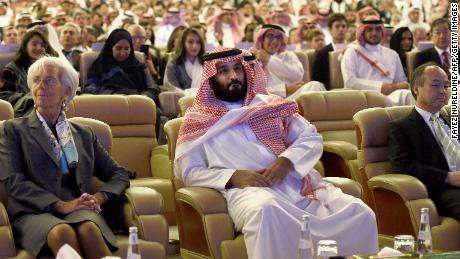
The list of speakers for Tuesday’s sessions features far fewer global figures than an earlier version that was posted on the conference website and has since been scrubbed of names after executives started pulling out.
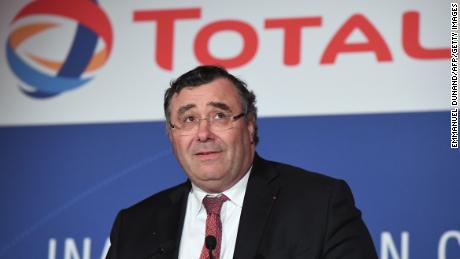
Pouyanné said in a statement Monday that while he respects the decision of some business leaders to skip the conference, he believes that “boycotts and withdrawing investment only hurt the ordinary people of the country.”
“I am convinced that an ’empty chairs at the table’ strategy serves no useful purpose, especially when it comes to respect for human rights,” he said.
“As soon as I heard of his death, it was clear to me that we couldn’t simply move on and do business as usual,” he wrote. “We in Germany should know from our history what it can lead to if people stay out of trouble and don’t speak up till it is too late.”
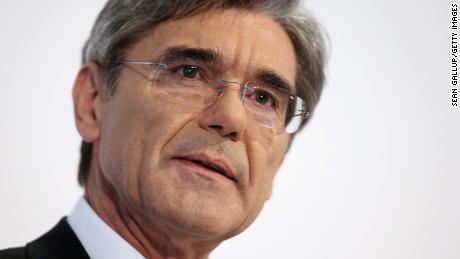
Kaeser said he had tried to strike the “right balance between values, interests and timing” after receiving “hundreds, if not thousands, of e-mails” urging him not to attend.
Still talking business
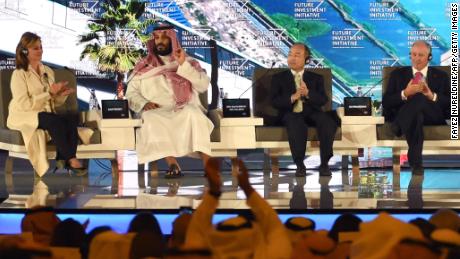
American and European businesses clearly want to keep channels of communication open amid the furor around the conference.
Some of them are pointing to their decades-long ties to the Saudi government and their large numbers of employees in the kingdom.
The Russian Direct Investment Fund, a sovereign wealth fund, will lead a delegation including more than 30 Russian entrepreneurs, executives and officials.
The group hopes to “identify new joint projects and discuss promising areas for the development of comprehensive cooperation,” RDIF CEO Kirill Dmitriev said last week.
Jethro Mullen contributed to this report.