



































Tourism is the movement of individuals or groups of individuals, commonly referred to as

tourists or visitors, from their usual place of residence to one or more destinations for leisure, business or other specific purposes, on a temporary or frequent basis. Where they engage in a variety of activities and experience the attractions, facilities, services and infrastructure of the destination. This movement and consumption also generate significant economic activity and employment, and has profound social, cultural and environmental impacts on both visitors and the host community and the environment. Where interdependent stakeholders such as tourists, businesses, governments, host communities, non-governmental organizations can be seen. However, in this cycle, it is necessary to focus on sustainable development to balance the needs of the present without compromising the ability of future generations to meet their own needs.
In the context of Nepal, tourism is a broad concept that encompasses the temporary travel of individuals, activities in a destination, and the economic, social, cultural, and environmental impacts that arise from it. Tourism is a major source of income and employment for Nepal, but for its sustainable development, it is essential to prioritize the protection of local communities, the environment, and culture.
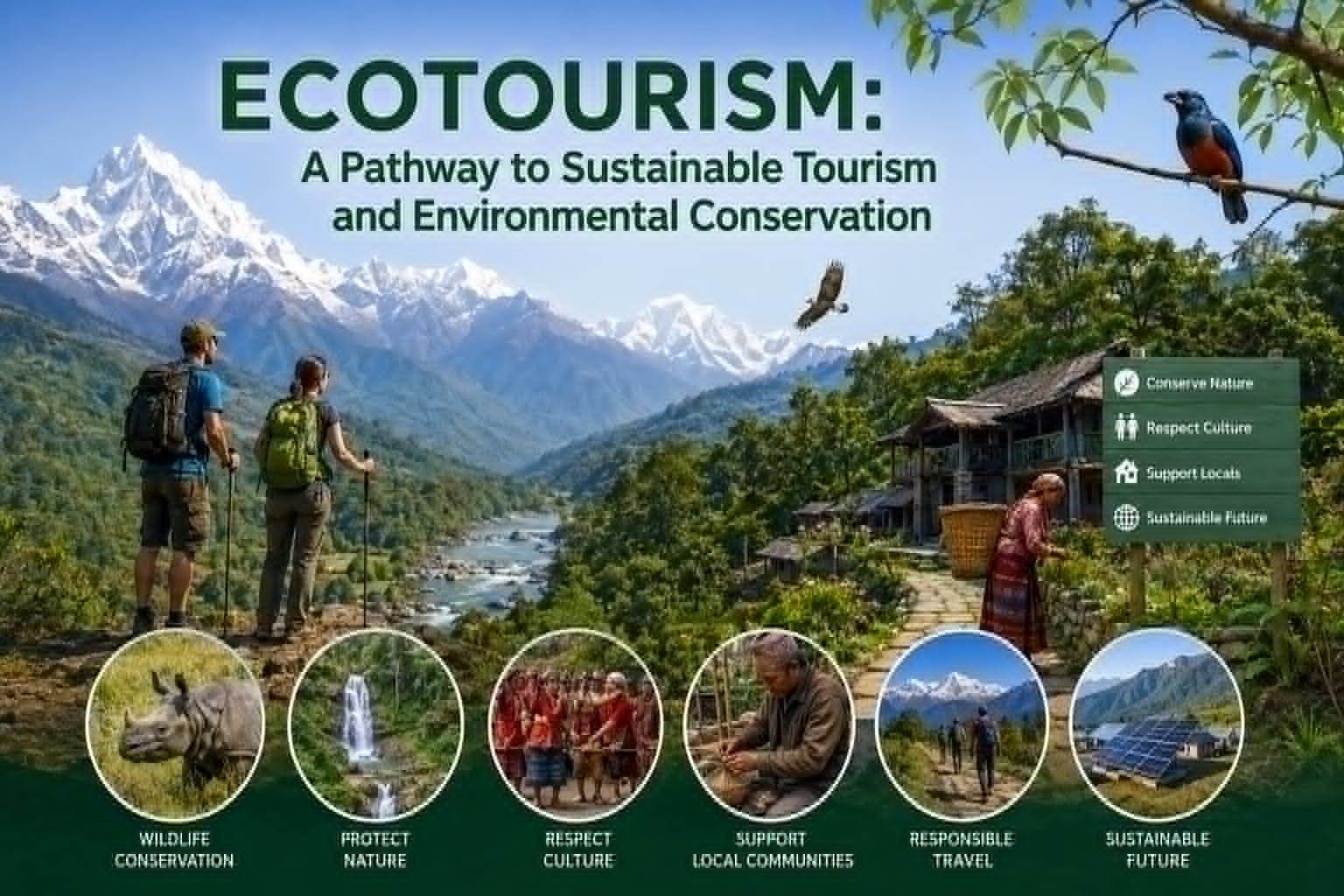
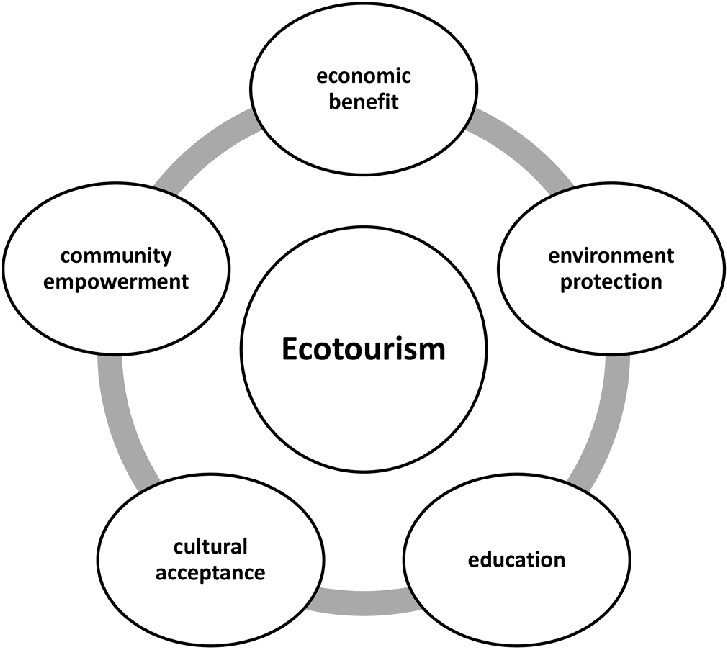
Ecotourism is a form of tourism that aims to be ecologically sensitive, sustainably managed, and locally beneficial. When done responsibly, it can enhance visitors’ experiences and make a significant contribution to preserving the natural environment.
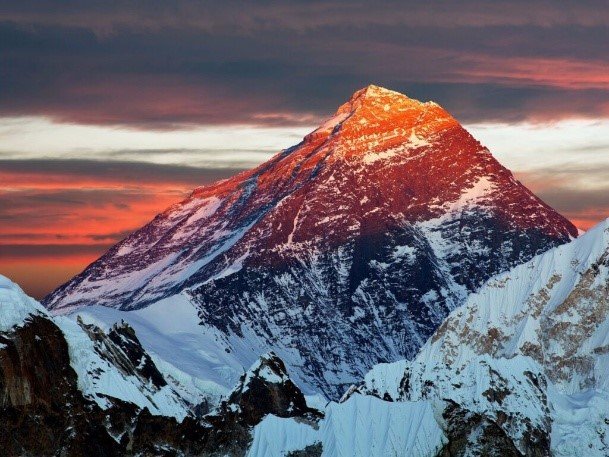
Ecotourism, another form of tourism, is defined as tourism that focuses on tourism activities that maintain environmentally friendly and sustainable ecosystems in natural areas such as national parks or wildlife reserves. Its main goal is to support conservation efforts and to benefit local communities, while also appreciating nature and learning about it.
There are many examples of ecotourism around the world, for example, travelers visiting protected forests and observing flora and fauna without disturbing the wildlife habitat. Another example is observing colorful and unusual rocks and marine life in mountains without damaging them and assisting in the restoration efforts of ecotourism destinations or providing opportunities to participate in community projects that support local artisans.
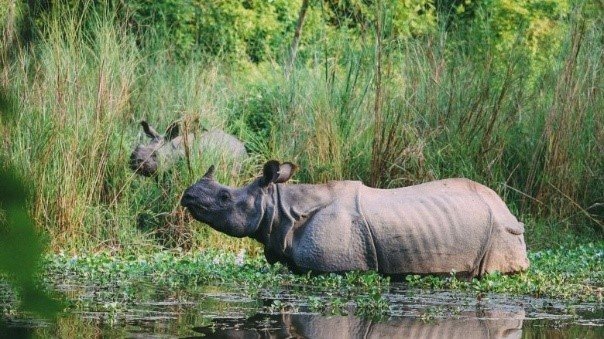
In Nepal, ecotourism is not just about exploring nature but also about a sense of responsibility. It: protects the earth for biodiversity conservation provides economic support to locals by providing employment and teaches tourists to be positive by providing environmental knowledge.
Concept of Ecotourism:
The concept of ecotourism is to create a balance between tourism, nature and local communities. It provides unforgettable experiences to visitors while minimizing negative impacts on the environment. Ecotourism also encourages sustainable efforts such as using renewable energy sources, educating on waste management, and conserving wildlife habitats. It also ensures that local communities benefit economically from tourism activities, encourage conservation, and preserve their traditional efforts and cultures.
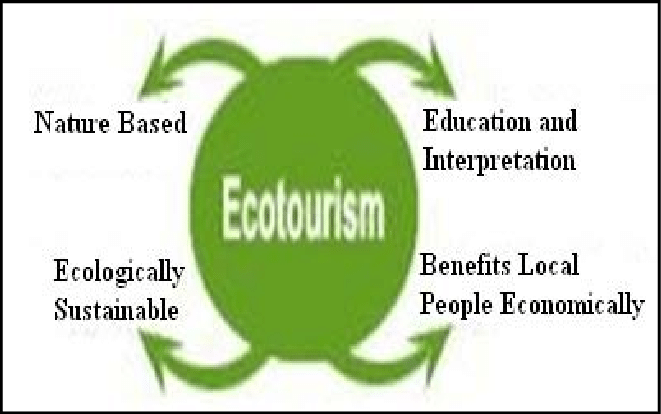 conserving wildlife habitats. It also ensures that local communities benefit economically from tourism activities, encourage conservation, and preserve their traditional efforts and cultures.
Key principles of ecotourism:
Environmental principles Integrating environmental protection, community welfare, and sustainable tourism is the core essence of ecotourism. Individuals and stakeholders involved in ecotourism should adhere to the following principles:
Minimization of various impacts: Minimizing physical, social, behavioral, and psychological impacts, including environmental ones.
Awareness and respect: Establishing environmental and cultural awareness and a sense of support.
Tourism Experiences: To provide authentic and positive experiences for both visitors and hosts.
Financial Benefits of Conservation: To ensure investment in tourism development that directly benefits local people, while supporting conservation efforts and respecting protected areas.
Interpretive Documentation and Promotion: To share memorable interpretive experiences of nature that increase sensitivity to the climate environment by experienced stakeholders.
Use of Low-Impact Facilities: To design, build and operate facilities in a manner that has a low-impact on the environment.
Respect for Rights: To recognize the rights and spiritual beliefs of indigenous peoples and work in partnership to empower them.
Issues Related to Ecotourism
Environmental Impact: High tourist numbers can have an impact on the environment and disrupt natural ecosystems.
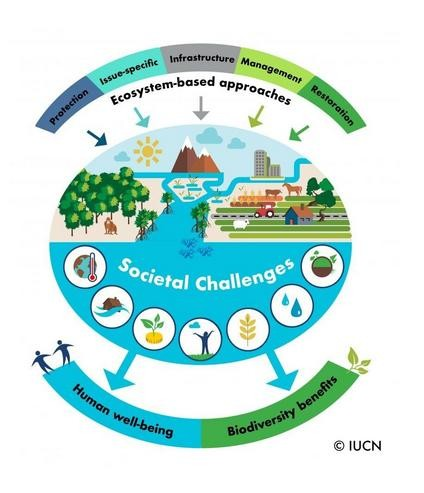
Lack of regulation: Lack of adequate regulations and lack of full compliance with policies and procedures can lead to irresponsible tourism practices that can also affect the local environment.
Cultural sensitivity: Excessive or irresponsible tourism activities can be an attack on local cultures, which can also affect social structures and systems.
Economic abuse: Since tourism is also an important part of revenue generation, there is a possibility of unnecessary manipulation, which may not directly benefit local target communities.
Wildlife disturbance: Unregulated ecotourism activities can disturb wildlife and disrupt natural behavior.
Infrastructure stress: Since only well-managed and environmentally friendly tourism infrastructure and other local infrastructure can manage the environment, such issues can also become a major concern of ecotourism.
Land use conflict: Managing conflicts that arise from time to time between protected areas and local communities between the need for and use of land and resources is also a major concern of ecotourism.
Over-reliance: Over-reliance on tourism is a concern for ecotourism as it creates significant risks for local economies during the pandemic-induced recession.
 Greenwashing: The practice of some businesses falsely advertising and claiming to be environmentally friendly and misleading visitors, which we can consider as greenwashing, is a major concern in this regard.
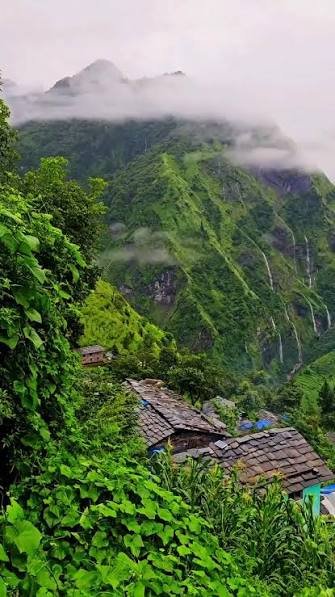 Greenwashing: The practice of some businesses falsely advertising and claiming to be environmentally friendly and misleading visitors, which we can consider as greenwashing, is a major concern in this regard.
Climate change impact: Excessive use of travel-related resources and equipment contributes to carbon emissions, which affects climate change.
Different types of ecotourism:
Ecotourism can take many forms depending on the type of natural environment. Some common types include:
Wildlife tourism: Visiting national parks, game reserves, or wildlife and their natural habitats
Forest tourism: Visiting forest plants found in different climates and in diverse geographies
 and in diverse geographies
Marine tourism: Engaging in marine ecosystems and activities.
Cultural tourism: Exploring diverse ethnic and tribal communities, including their customs, traditions, customs, and practices of sustainable development.
Adventure Tourism: Participating in activities such as hiking, mountaineering, or river rafting while adhering to eco-friendly practices.
Importance of Ecotourism:
Ecotourism plays an important role in protecting our natural environment as well as supporting local communities. Here are some of the key reasons why this topic is important.
Conservation: Ecotourism promotes the protection of fragile ecosystems and wildlife habitats, contributing to the overall conservation of our planet’s biodiversity.
Education: Ecotourism promotes environmental awareness and provides tourists with important education on conservation, environmental sustainability, and the preservation of diverse cultures.
 Economic Development: Ecotourism engages local communities through tourism, providing opportunities for income generation and employment generation, as well as economic benefits.
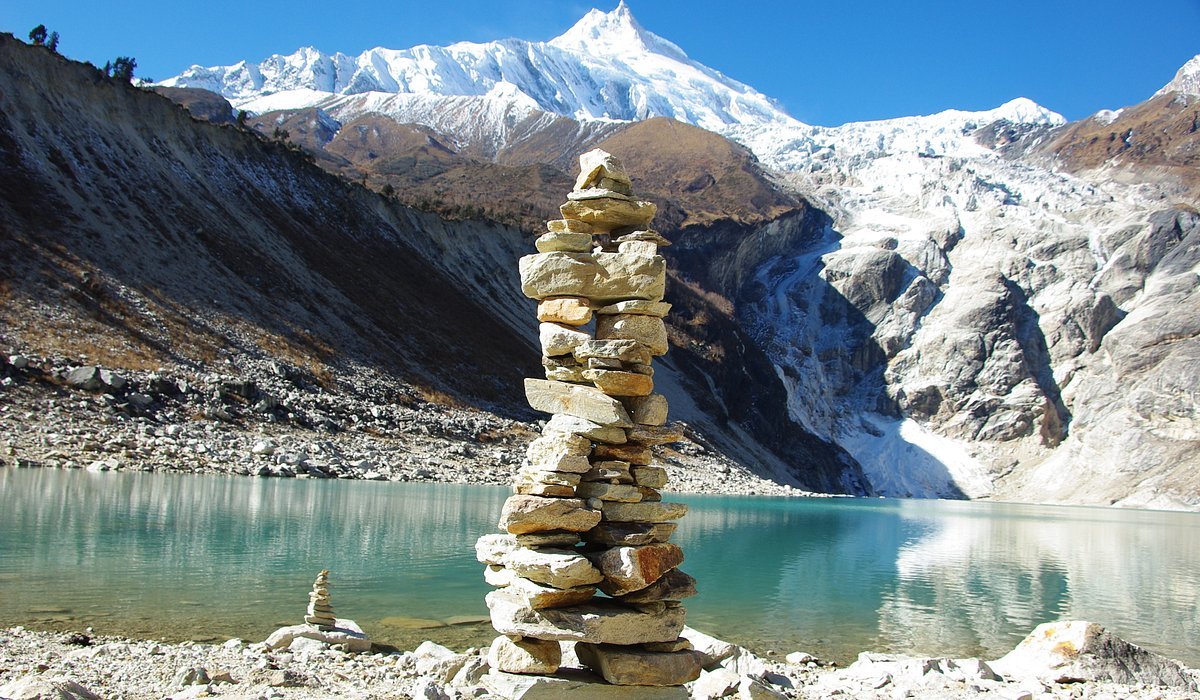 Economic Development: Ecotourism engages local communities through tourism, providing opportunities for income generation and employment generation, as well as economic benefits.
Community Empowerment: Ecotourism encourages local communities to maintain their traditional lifestyles, preserve their cultural heritage, and actively participate in it.
Benefits of Ecotourism:
Nature Conservation: Ecotourism helps to conserve biodiversity and protect fragile ecosystems.
Community Empowerment: Local communities benefit economically by creating local jobs and opportunities, thereby helping to increase economic as well as community outreach.
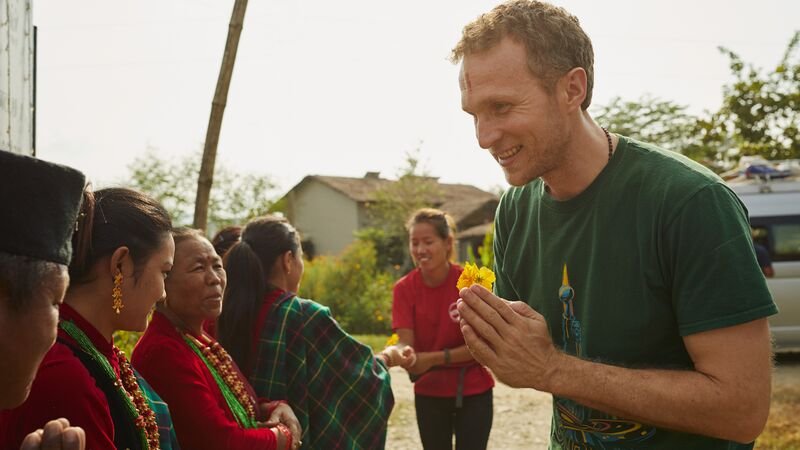 Cultural Conservation: Indigenous and indigenous cultures are preserved and promoted when tourists engage in respectful cultural exchanges.
Education and Awareness: Ecotourism promotes environmental awareness, thereby educating visitors about environmental conservation.
Sustainable Development: Ensures long-term benefits without harming the environment by promoting sustainable conservation and development practices.
Economic Growth: Supports local economies through tourism-related activities.
Finally, ecotourism is an exciting and responsible way to explore the world around us. By embracing ecotourism, we strive to enjoy unique experiences and become conscious travelers, appreciating the wonders of nature and promoting sustainability for a brighter and greener future.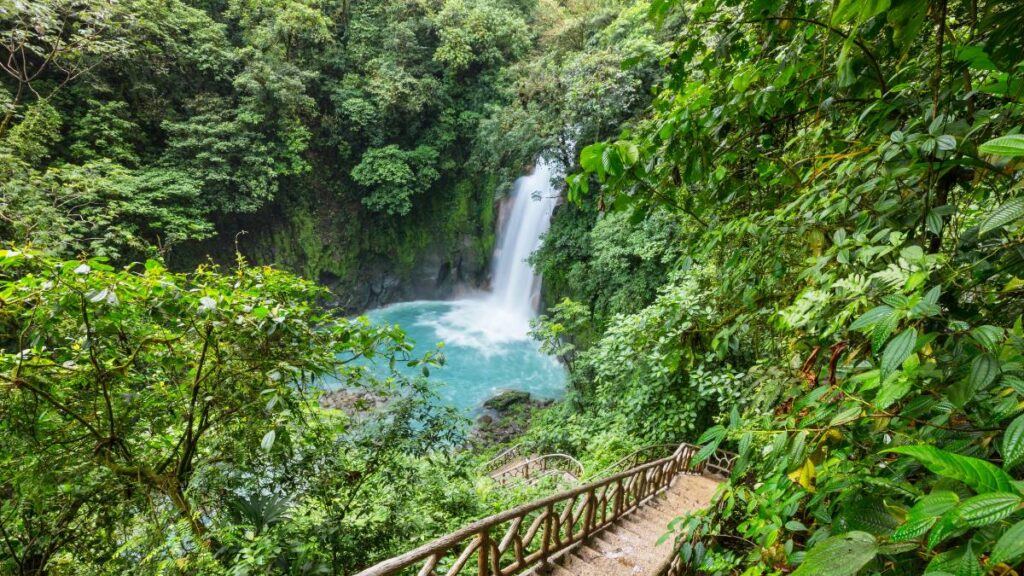
Dipak Raj Mishra
President 2015 ,JCI Hetauda
Thank You.